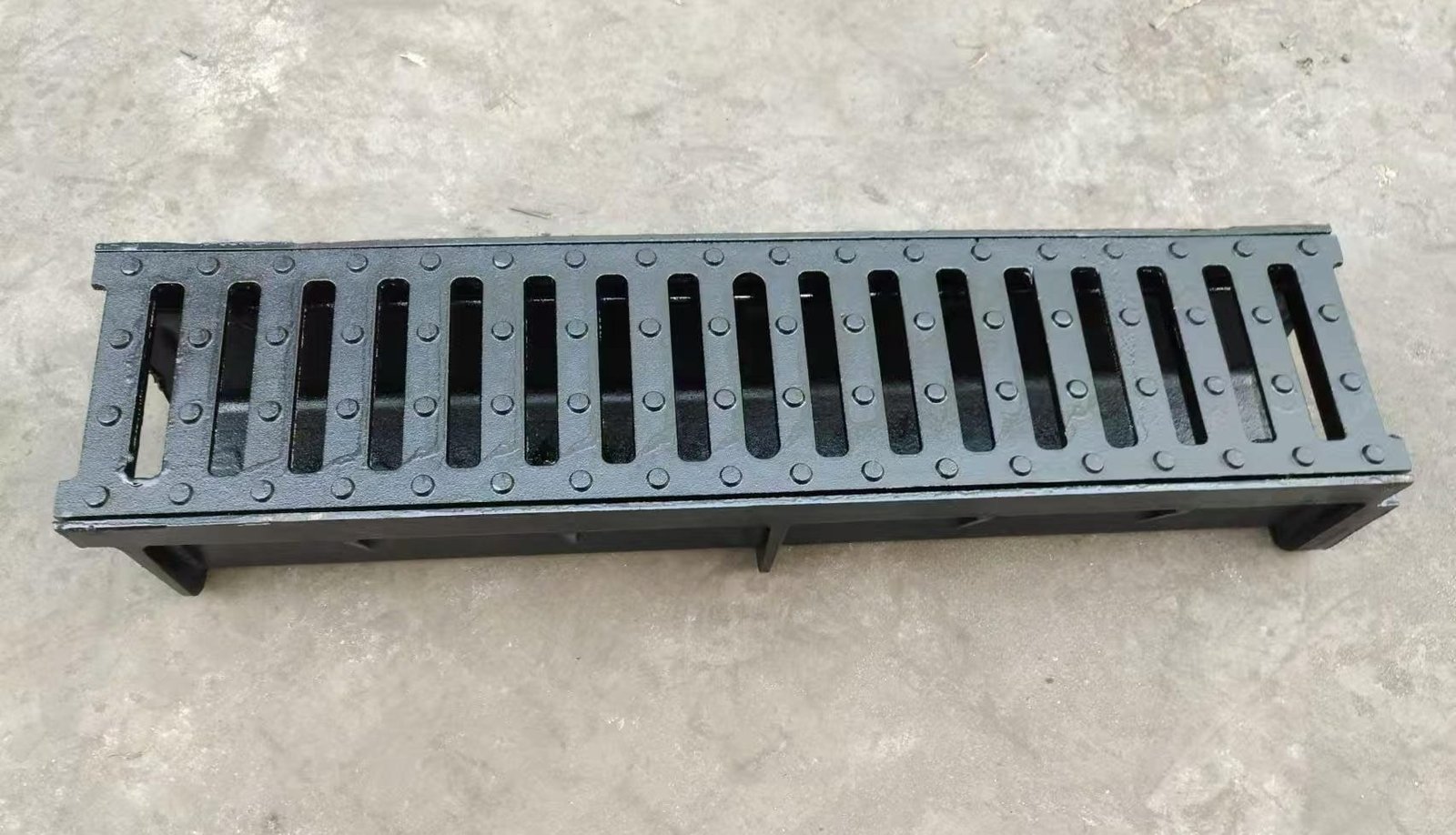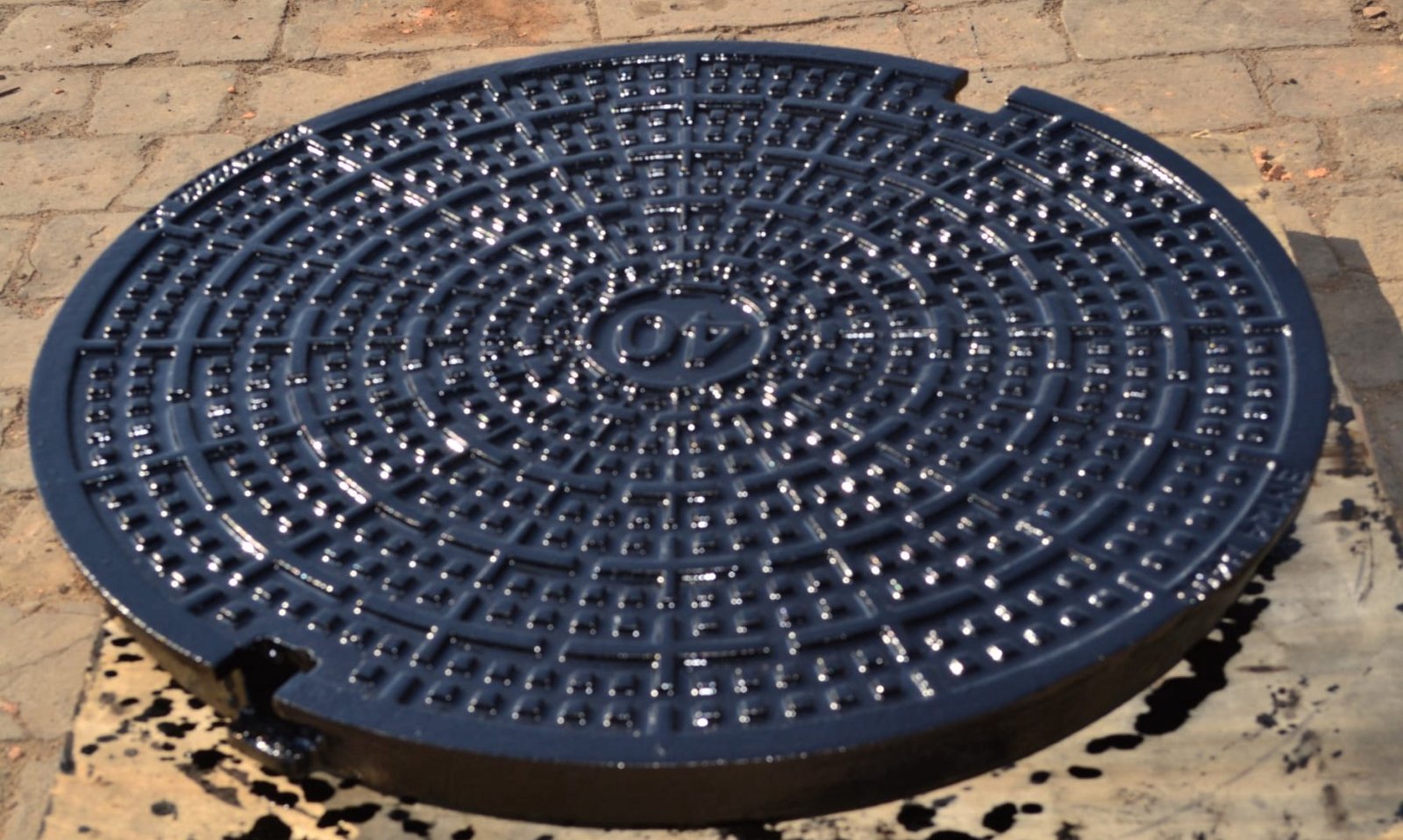

I. Core Functions and Technical Features
1.Safety Protection Mechanism: Made of high-strength cast iron or steel, it has a load-bearing capacity of over 40 tons, effectively preventing personal fall accidents.
2.Gas Regulation System: The special hole design enables two-way ventilation, which can reduce the concentration of harmful gases in the well by more than 60%.
3.Pressure Balance Device: Eliminates the vacuum effect through a patented flow-guiding structure to ensure smooth drainage during heavy rains.
II. Analysis of Typical Application Scenarios
1.Municipal Drainage Pipe Network: Installed in inspection wells and rainwater inlets, with an average of one set every 200 meters.
2.Sewage Treatment Facilities: Applied around aeration tanks and sedimentation tanks, with corrosion-resistant coating treatment.
3.Underground Parking Lots: Integrated with anti-slip pattern design, the ventilation volume reaches 50 cubic meters per hour.
III. Key Points for Operation and Maintenance Management
1.Quarterly Inspection System: Focus on checking the status of hinge mechanisms and seals.
2.Surface Anti-Corrosion Treatment: Implement epoxy resin coating maintenance every two years.
3.Peripheral Environment Control: Keep no accumulated objects within a radius of 1 meter.
IV. Technical Development Trends
1.Intelligent Monitoring System: Integrate pressure sensors and gas detection modules.
2.New Composite Materials: Develop lightweight materials such as glass fiber-reinforced polyester.
3.Energy Efficiency Optimization Design: Improve ventilation efficiency through computational fluid dynamics.
With the advancement of smart city construction, ventilation manhole covers are evolving from single-function products to comprehensive management systems. Their technological innovation will continue to drive the upgrading and transformation of urban infrastructure.