Ductile iron is a high-strength cast iron material developed in the 1950s. The following is a detailed introduction from aspects such as its composition, manufacturing process, performance characteristics and application fields:
Composition
Basic elements: It is mainly composed of elements such as iron, carbon, silicon, manganese, phosphorus and sulfur. Among them, the carbon content is generally 3.0%-4.0%, the silicon content is 1.8%-3.2%, and the total amount of manganese, phosphorus and sulfur does not exceed 3.0%.
Spheroidizing elements: Appropriate amounts of spheroidizing elements such as rare earths and magnesium are the key components that distinguish ductile iron from other cast irons. They can promote the formation of spherical graphite during solidification.
Manufacturing process
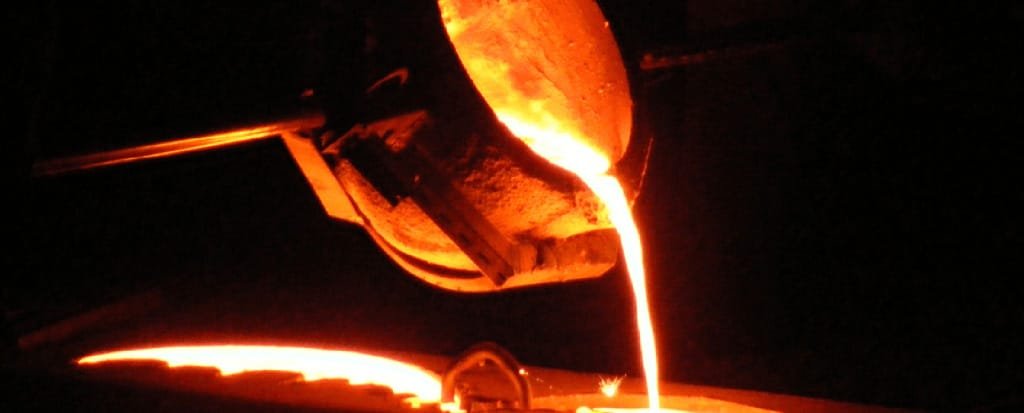
Spheroidizing treatment: Spheroidizing agents such as pure magnesium, nickel-magnesium, ferrosilicon-magnesium or ferrosilicon-rare earth-magnesium alloys are added to the molten iron with slightly higher carbon and silicon contents and low sulfur and phosphorus contents, so that the graphite in the cast iron forms a spherical shape during solidification instead of the flake structure in ordinary gray cast iron.
Inoculation treatment: After spheroidizing treatment, inoculation treatment is carried out with ferrosilicon, silicon-calcium or other multi-element alloys to increase the number of graphite nodules, refine them, and improve the structure and performance of ductile iron.
Pouring and forming: The molten iron after spheroidizing and inoculation treatment needs to be poured and formed at an appropriate temperature. Ductile iron has poor fluidity and large shrinkage, so a higher pouring temperature and a larger gating system size are required. Risers and chills should be used reasonably, and the principle of sequential solidification should be adopted.
Performance characteristics
High strength: The tensile strength of ductile iron is generally between 400-1200 MPa, which is far higher than that of ordinary gray cast iron and can even be comparable to some steel materials.
Good toughness and ductility: Due to the spherical shape of graphite, which has little splitting effect on the matrix, ductile iron has good toughness and ductility, and can absorb large deformation without breaking easily when stressed, and can withstand impact loads to a certain extent.
Good wear resistance: It has high hardness and strength, and graphite nodules can play a lubricating role during friction to reduce wear. Therefore, it has good wear resistance and is suitable for manufacturing parts working under wear conditions.
Strong corrosion resistance: The corrosion resistance of ductile iron is better than that of ordinary cast iron, and it can maintain stable performance for a long time in some harsh working environments, such as humid, acid-base and other corrosive media.
Good shock absorption: It can effectively absorb and attenuate vibration energy, so it is widely used in equipment and components that need shock absorption and noise reduction.
Excellent machinability: Ductile iron has good cutting performance and can be made into the required part shapes through various mechanical processing methods, with relatively low processing costs.
Application fields
Automotive industry: It is often used to manufacture automotive crankshafts, camshafts, wheel hubs, steering knuckles, chassis parts, etc. It can meet the requirements of automotive parts for strength, toughness and wear resistance, and at the same time reduce the weight of the car and improve fuel economy.
Mechanical manufacturing: Gears, racks, connecting rods, hydraulic cylinder blocks, machine tool spindles and other parts in various mechanical equipment are also often made of ductile iron to improve the durability and reliability of the equipment.
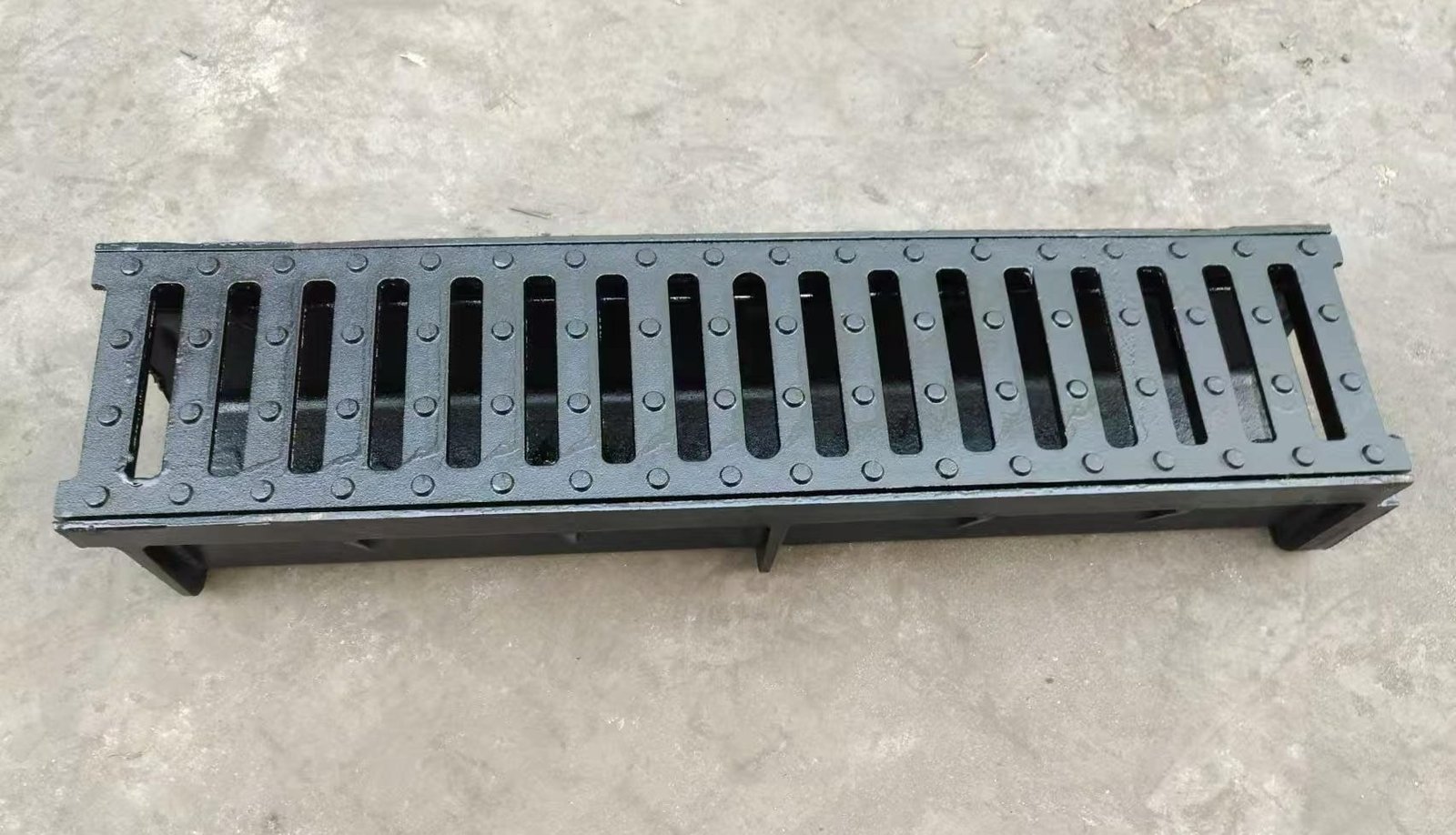
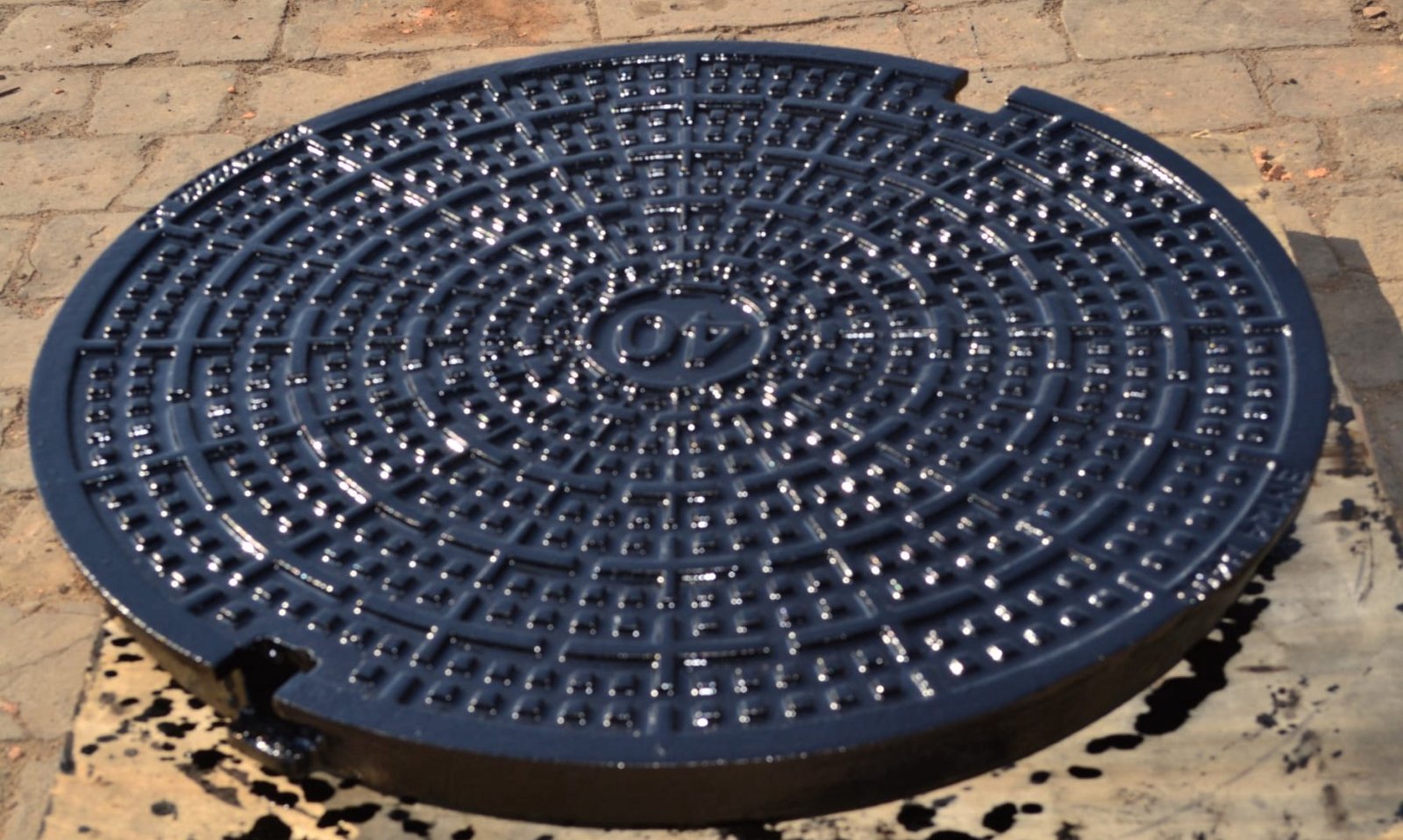
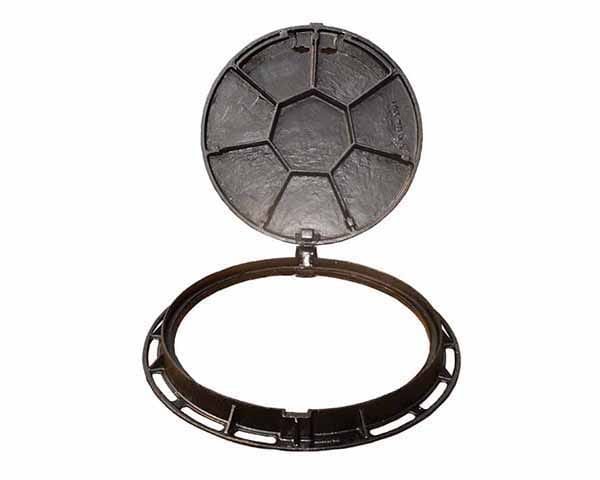
Pipeline systems: It is widely used in water supply, drainage, gas, oil transportation and other pipeline systems. Ductile iron pipes have high strength, corrosion resistance and good sealing performance, which can ensure the safe operation of pipelines during long-term use.
Construction industry: In building structures, ductile iron can be used to manufacture some load-bearing components, such as building brackets and bridge bearings. It is also widely used in building water supply and drainage systems.
Other fields: It can also be used to manufacture agricultural machinery parts such as plowshares and rake blades, as well as parts in fields such as mining machinery, metallurgical equipment and power equipment.